Ideon Releases 2026 ICHRA Map
Ideon's 2026 ICHRA map is an interactive tool highlighting where market dynamics are conducive to ICHRA adoption.



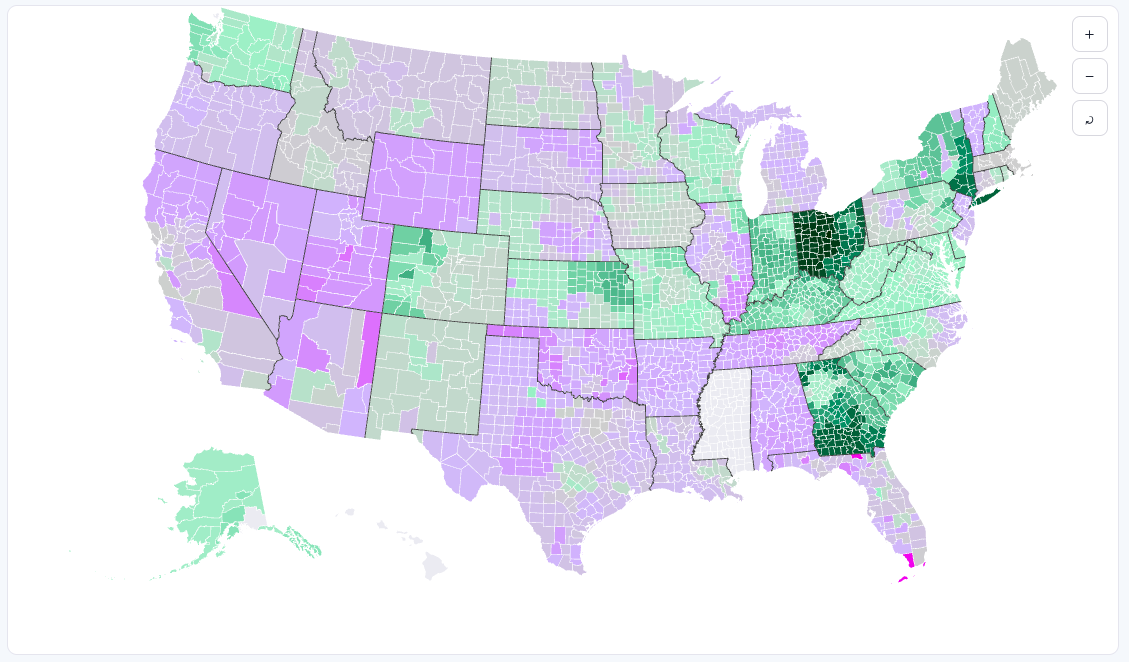
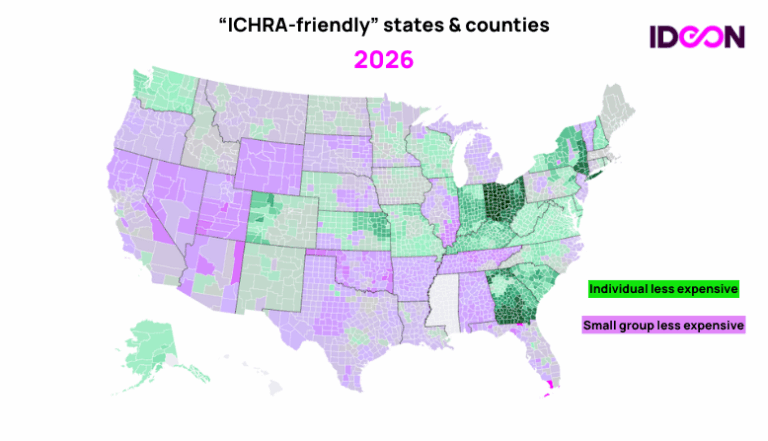
Ideon's 2026 ICHRA map is an interactive tool highlighting where market dynamics are conducive to ICHRA adoption.

Ideon is honored to have been named to the 2022 Inc. 5000 — a prestigious list of the fastest-growing private…

In this episode of RubySorce, Ideon CTO Dan Langevin is interviewed by Sawan Shah about his journey and the work…

In this BenefitsPro article, Meg Collins, our Chief Growth Officer, offers brokers actionable strategies on how to prioritize enhanced connectivity.

Ideon CEO, Michael Levin, provides strategies to alleviate fears around outsourcing tech functions to third-parties in this Forbes article.

Ideon VP, Product, Meghna Misra, shares 5 steps needed to create great tech products in this interview with The Product…

Ideon CEO, Michael Levin, provides valuable insights in his latest Forbes column on the importance of incorporating customer feedback.

In this BenefitsPro roundup of 2023 predictions, Ideon CEO, Michael Levin, shares how fixing the ACA "family glitch" could impact…

To eliminate inaccurate benefits data, the industry must adopt a new mindset, embrace modern technology, and increase collaboration. In this…

In this Relevant Software article, Ideon's CTO Dan Langevin describes our journey - where we started, some challenges we've faced,…

How can business leaders increase employee engagement? It starts, Ideon CEO Michael Levin explains in his latest Forbes column, with…

In this BenefitsPro article, Meg Collins, Ideon's Chief Growth Officer, shares how the COVID-19 pandemic gave rise to a new…